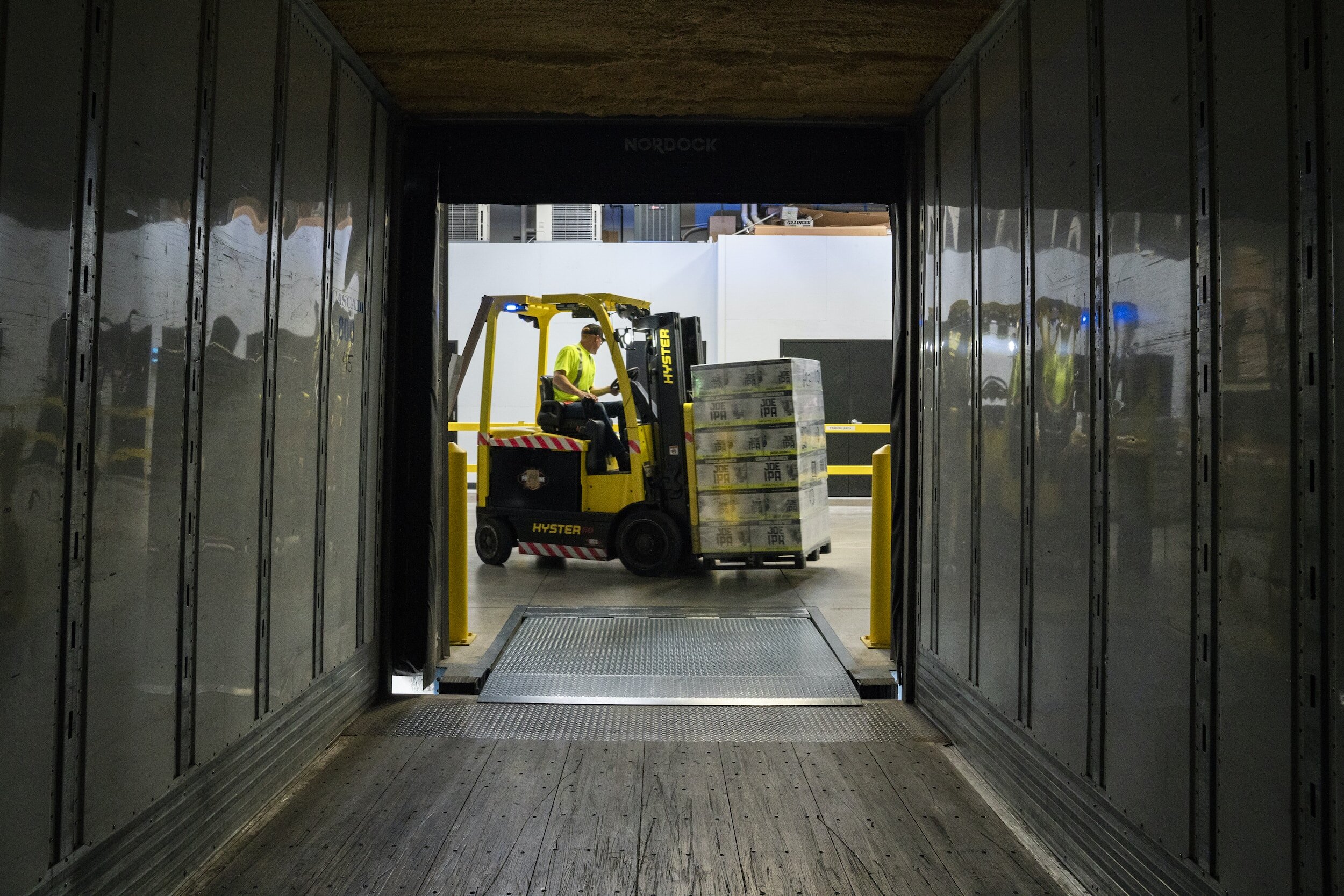
Transloading
Annex 13 provides transloading services designed to control freight as it moves between modes. We manage the transfer of cargo from ocean and rail containers into over-the-road equipment with a focus on timing, coordination, and minimizing unnecessary handling.
Transloading is where small missteps turn into delays, congestion, and added cost. Container availability, labor timing, outbound capacity, and facility throughput all matter. Our approach accounts for those variables upfront so freight moves through facilities cleanly instead of piling up.
We support transloading operations across the United States, coordinating inbound containers, warehouse space, labor, and outbound transportation based on real conditions on the ground. Each move is planned around when containers arrive, how long they can dwell, and where freight needs to go next- not around ideal scenarios.
Our facilities and partner locations are selected for throughput and reliability, not proximity alone. Transloads are scheduled to reduce idle time, limit rehandling, and keep freight moving into the next leg without unnecessary stops or storage.
Visibility into the process matters, but only if it’s usable. We track container arrivals, unload status, and outbound departures so teams know where freight stands at each step. When schedules shift, adjustments are made quickly to prevent downstream disruption.
Annex 13’s transloading services are built to support efficiency at a critical control point in the supply chain. Whether freight is being reconfigured for regional distribution, weight compliance, or mode transition, the goal stays the same: move it through with precision and keep the operation tight.